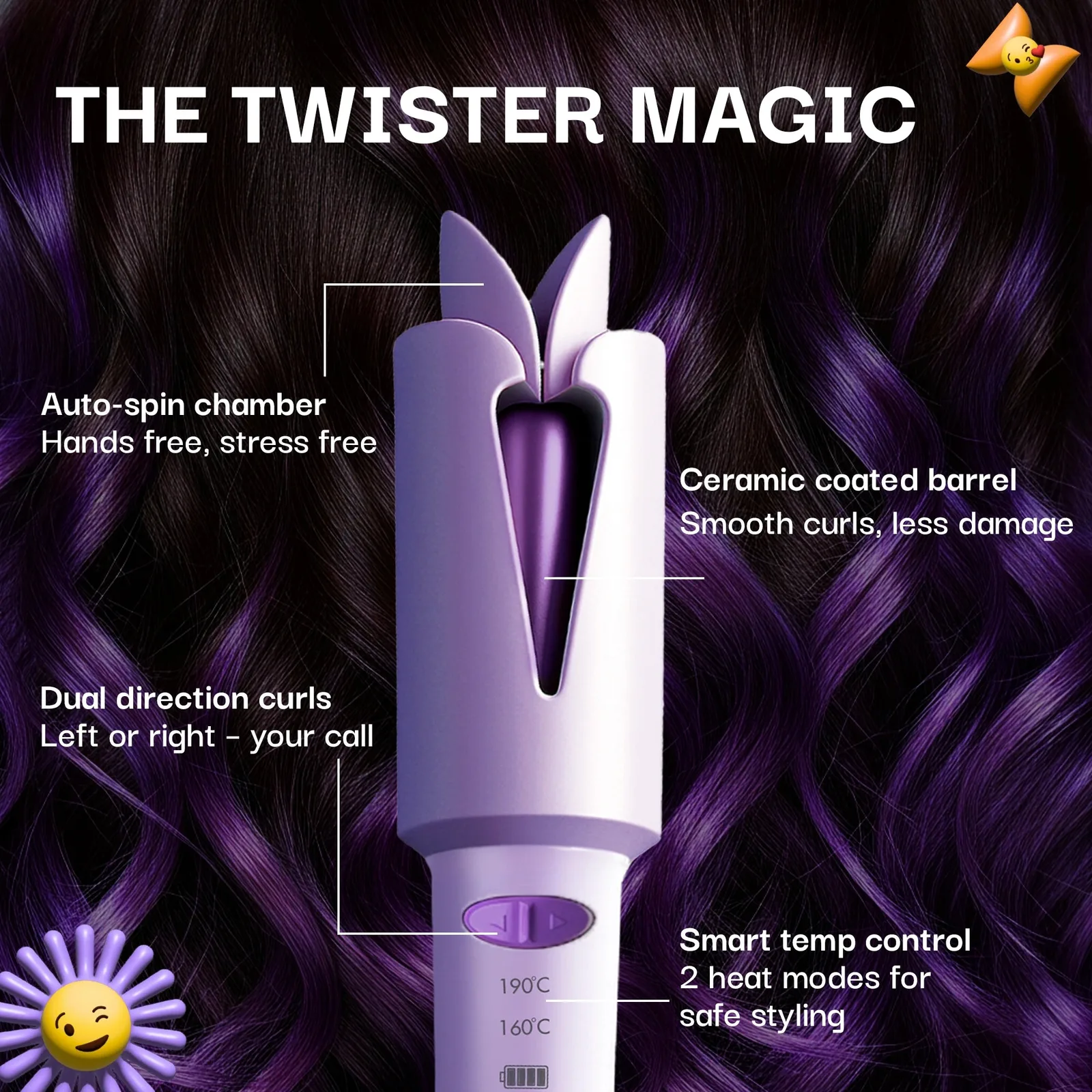
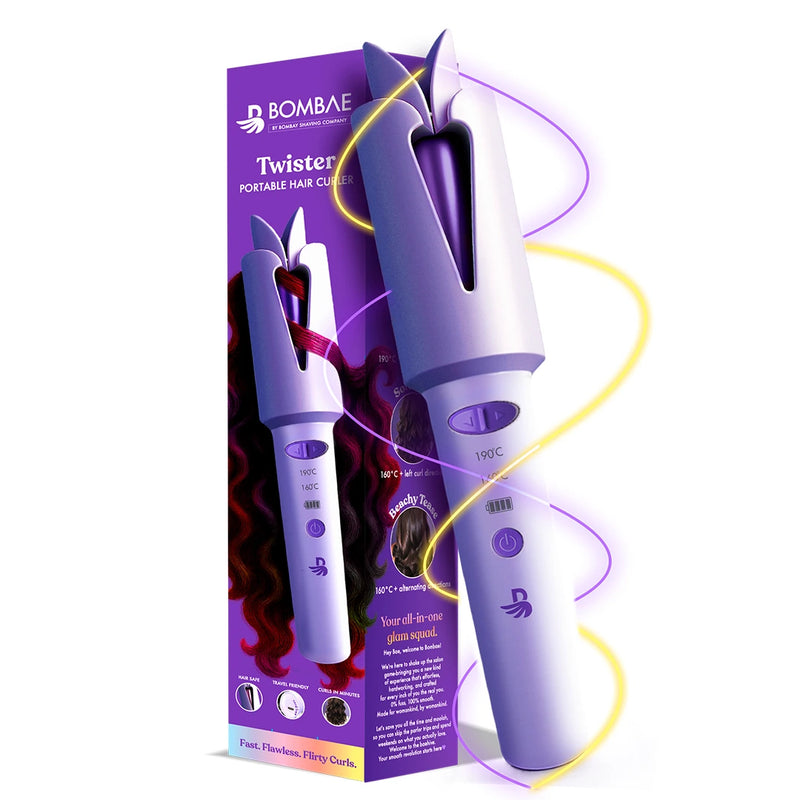
How an automatic curler works
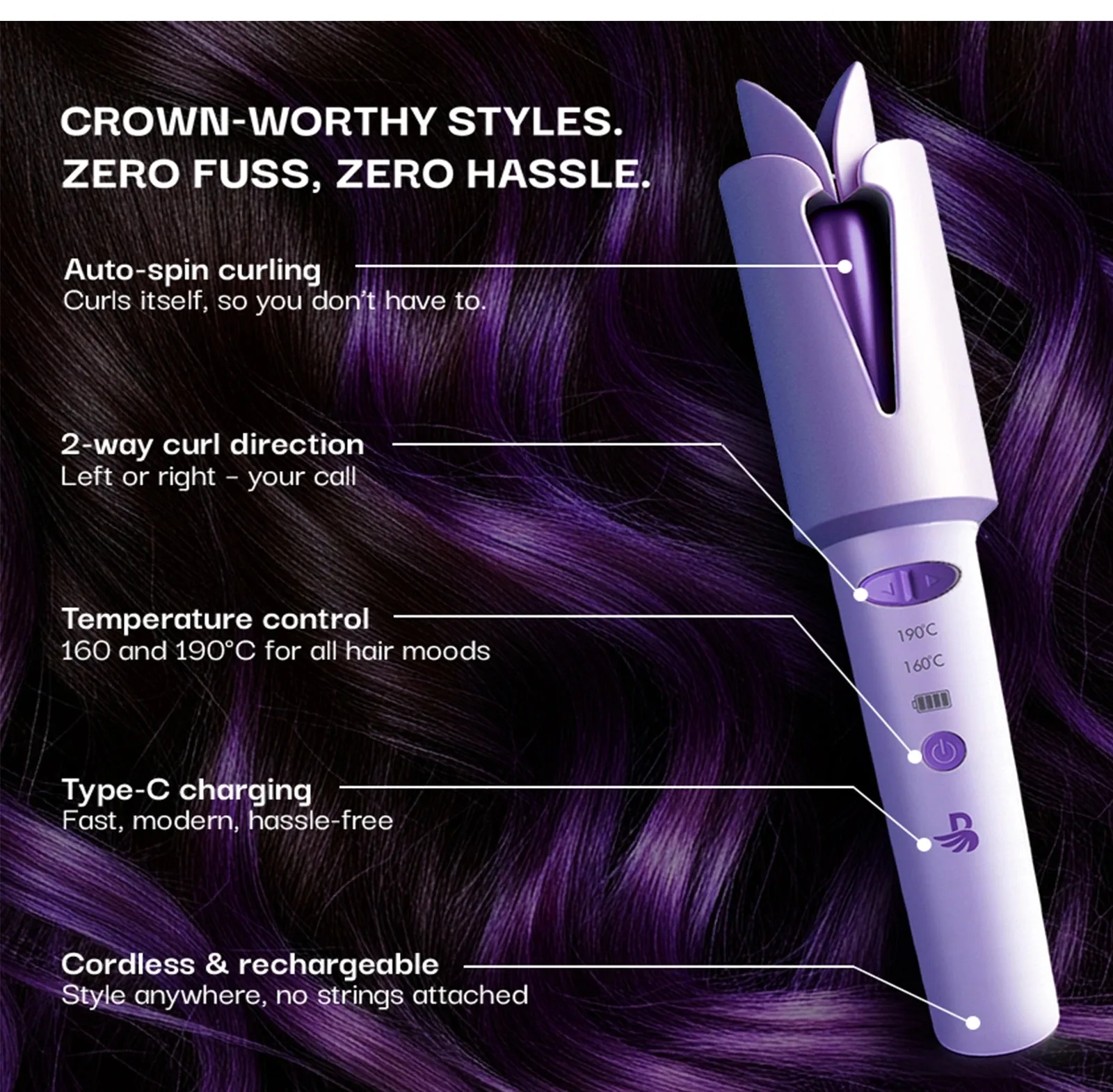
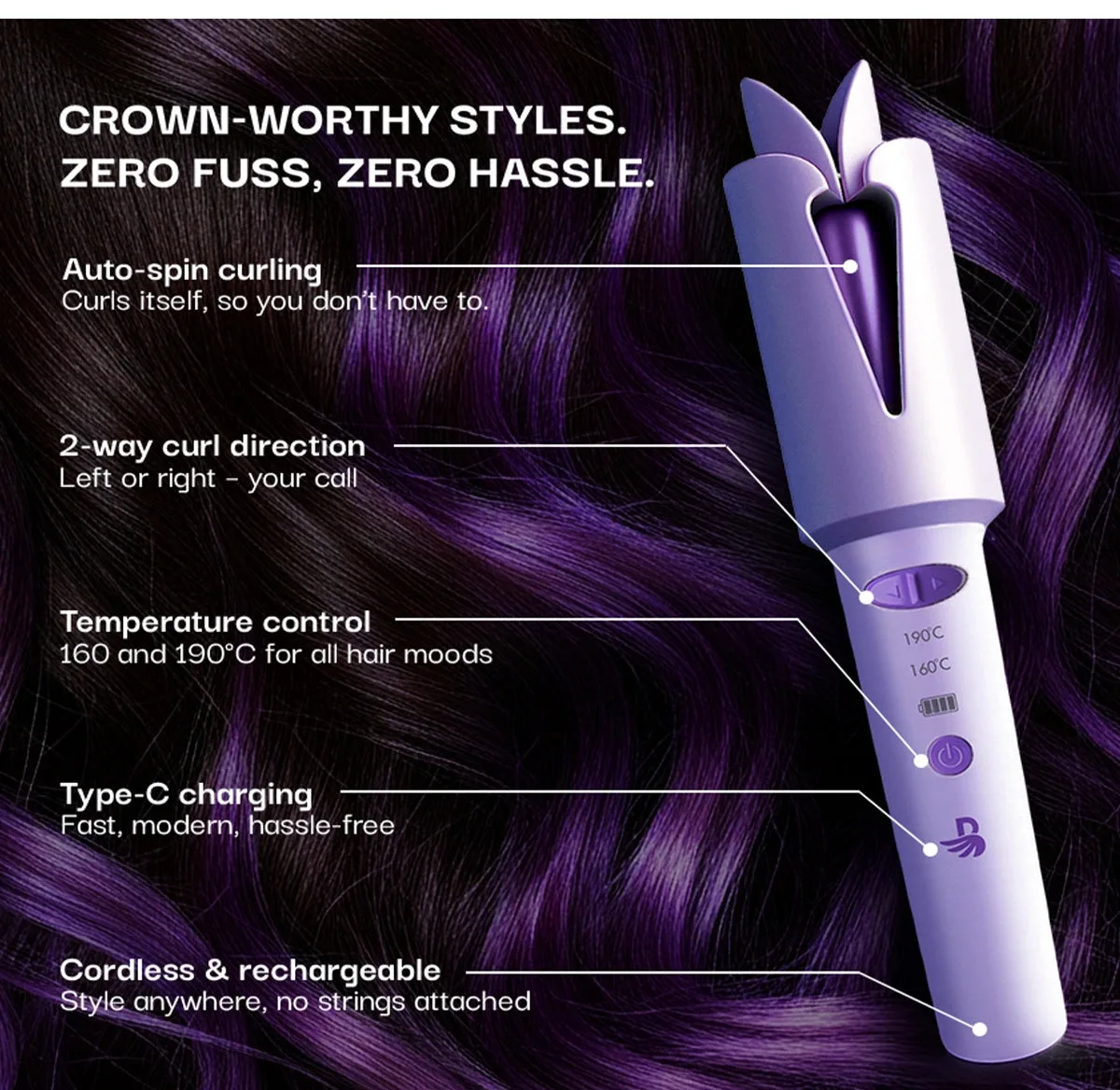
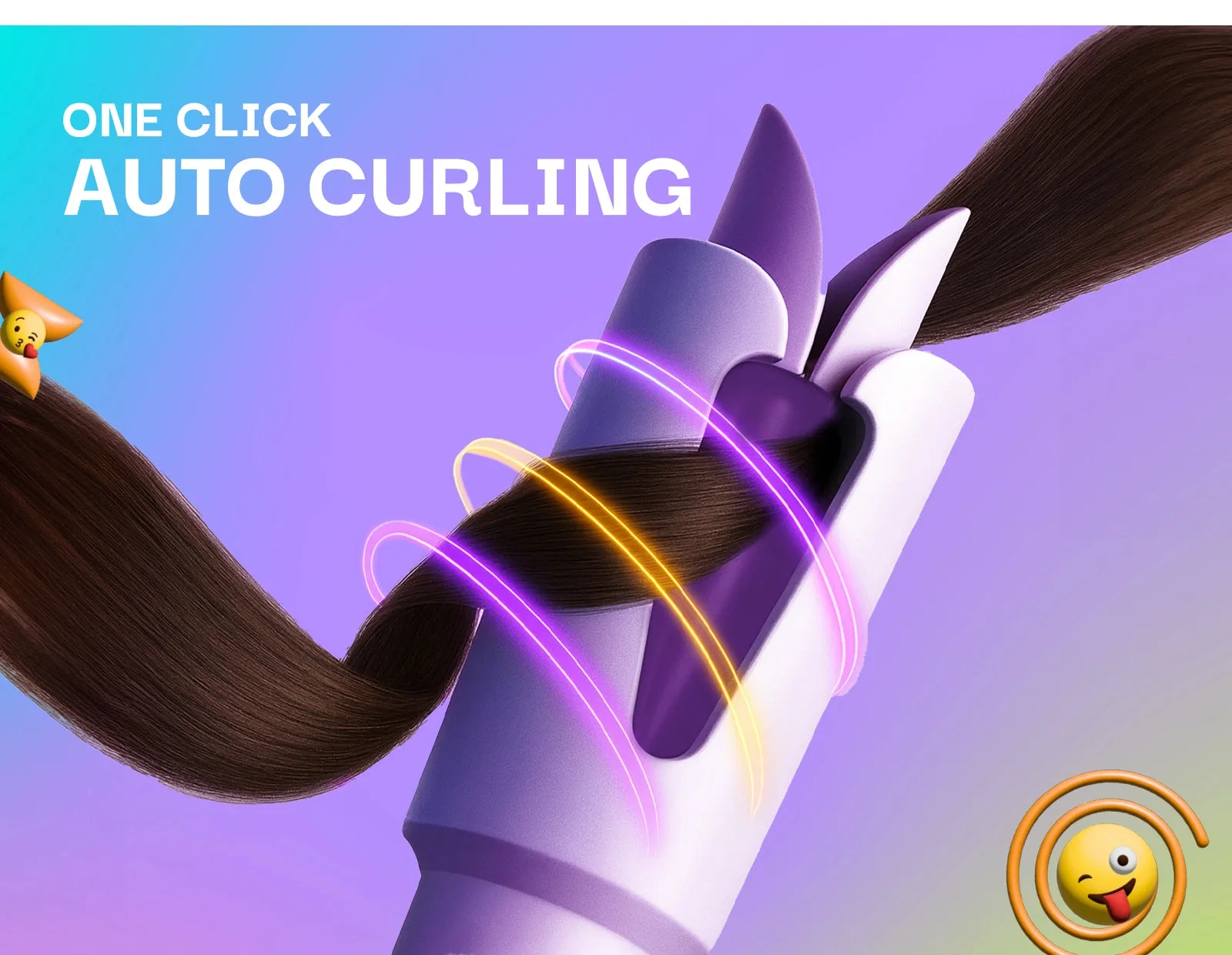
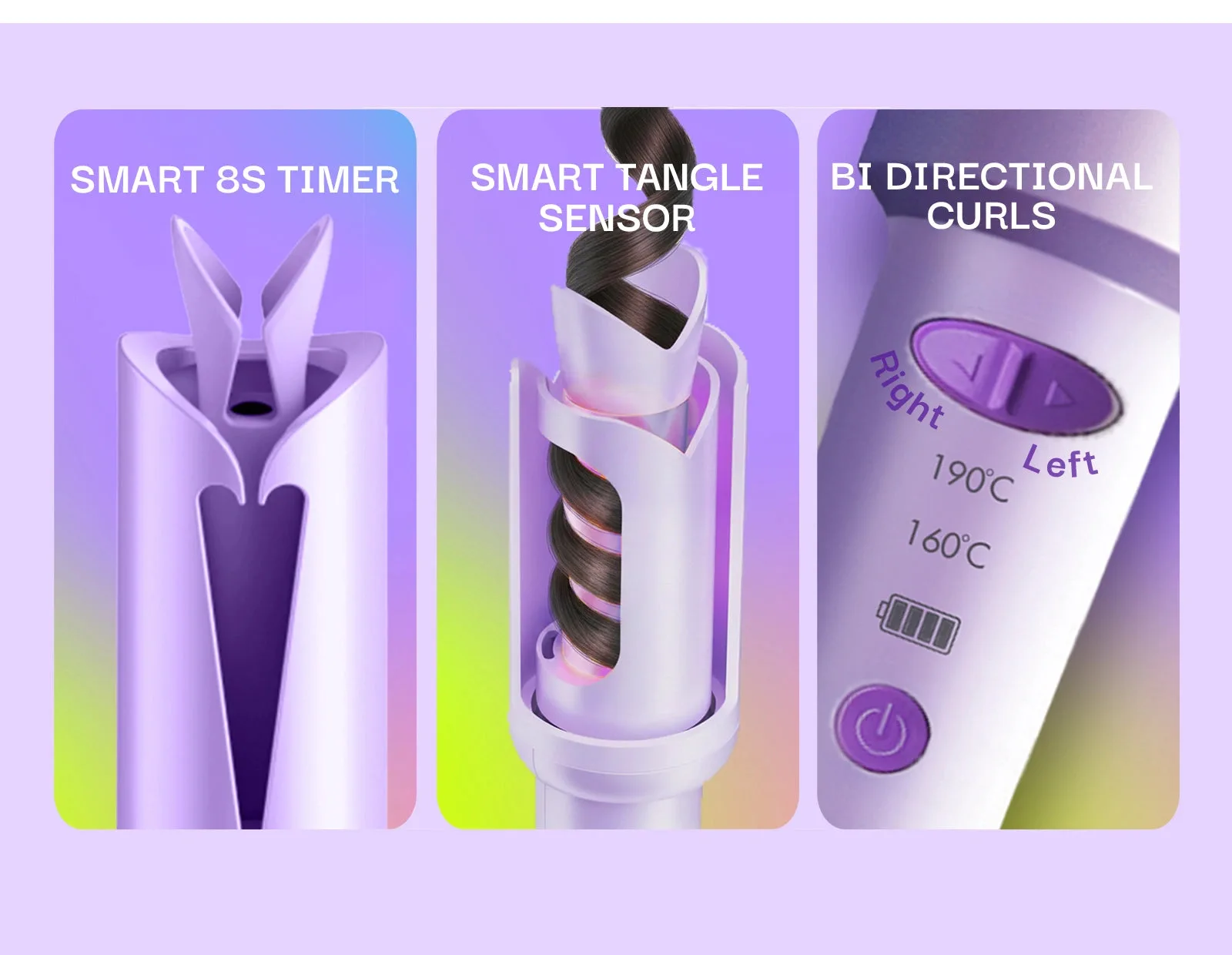
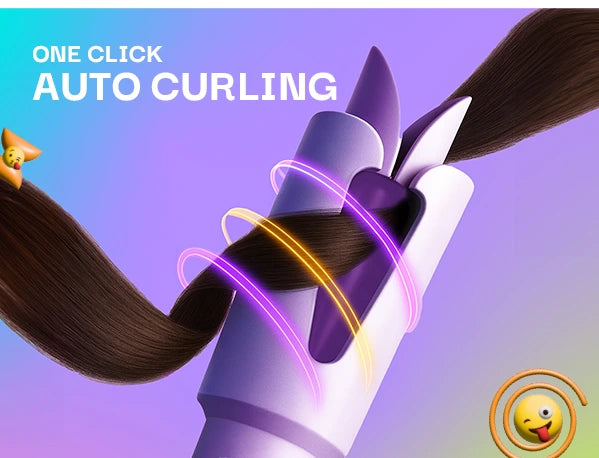
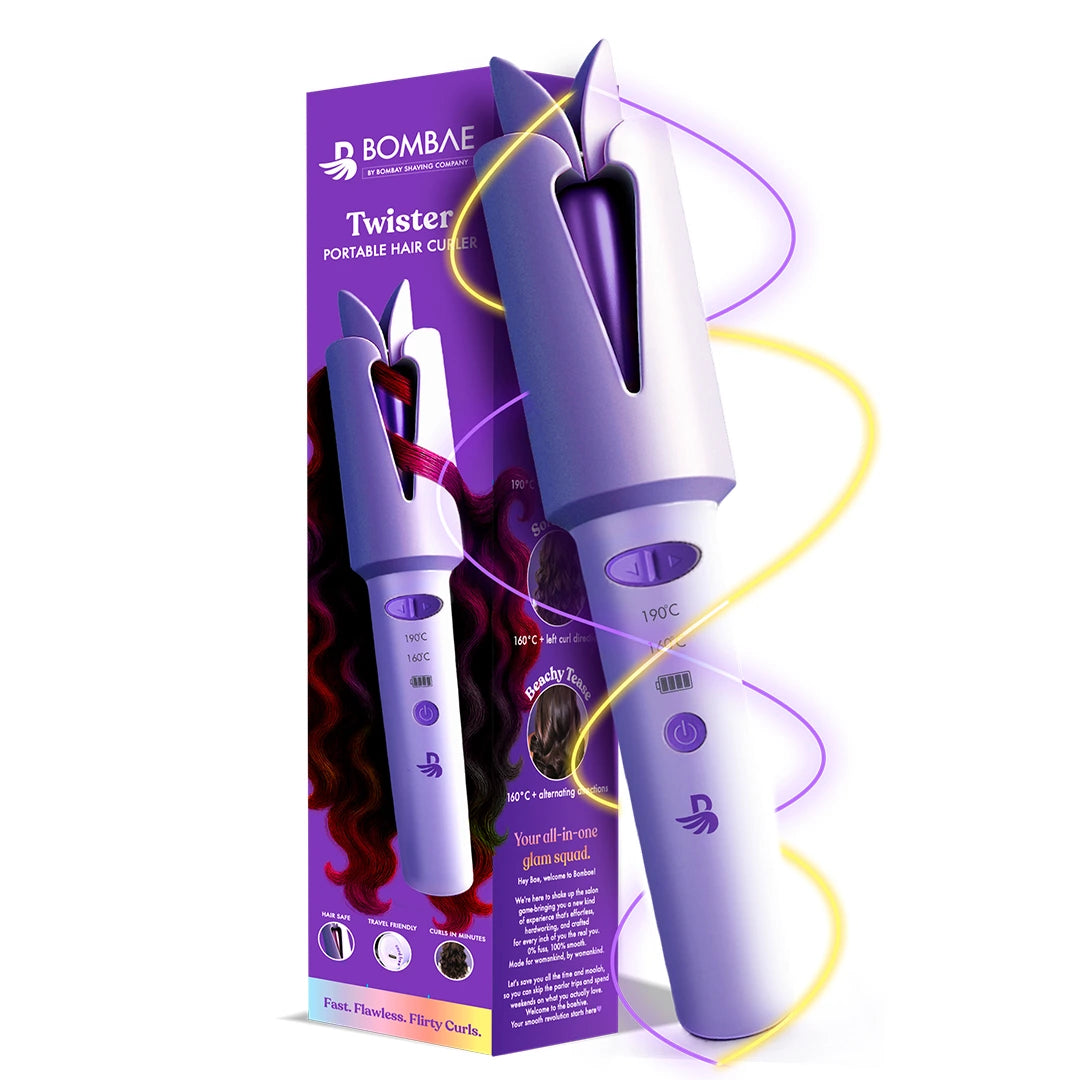
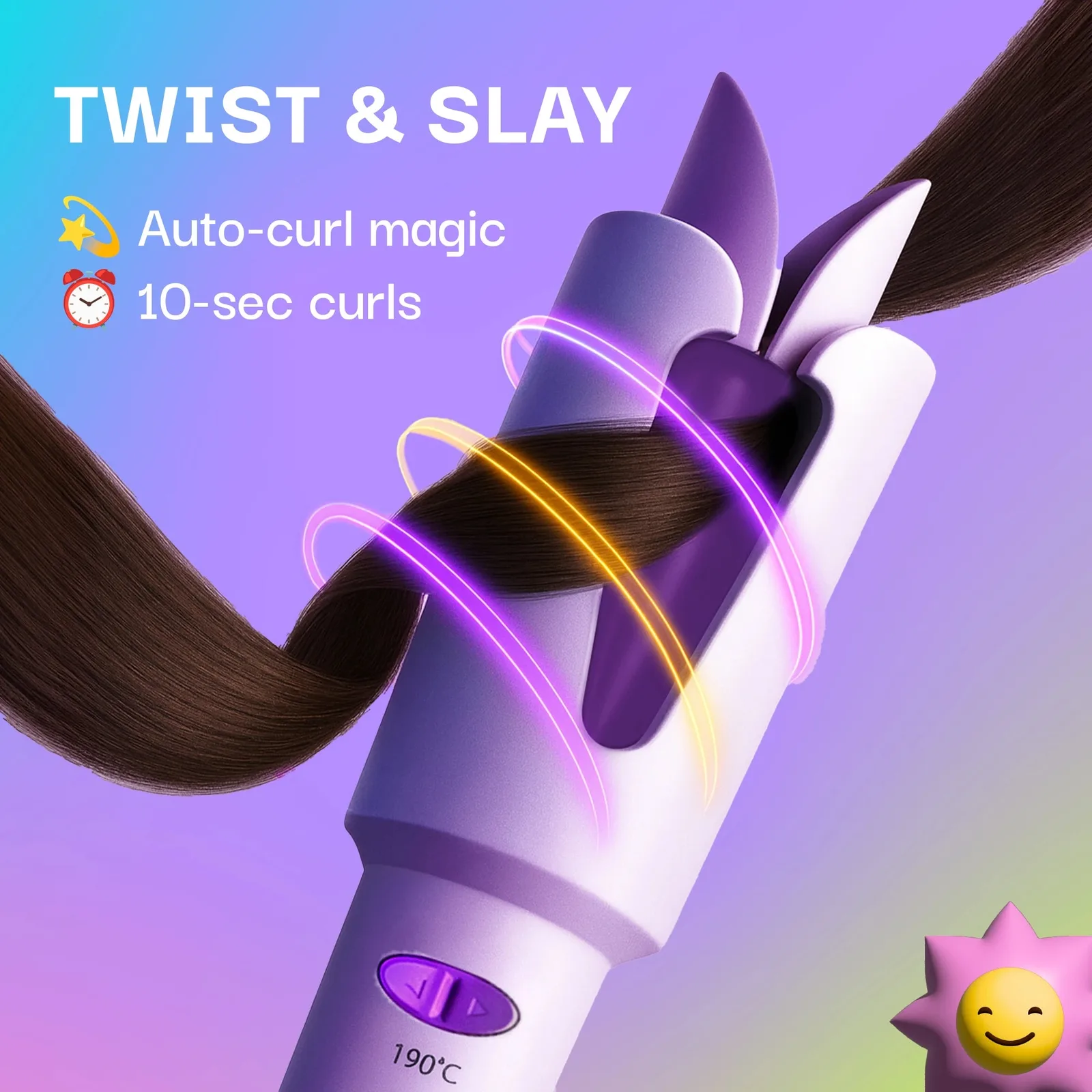
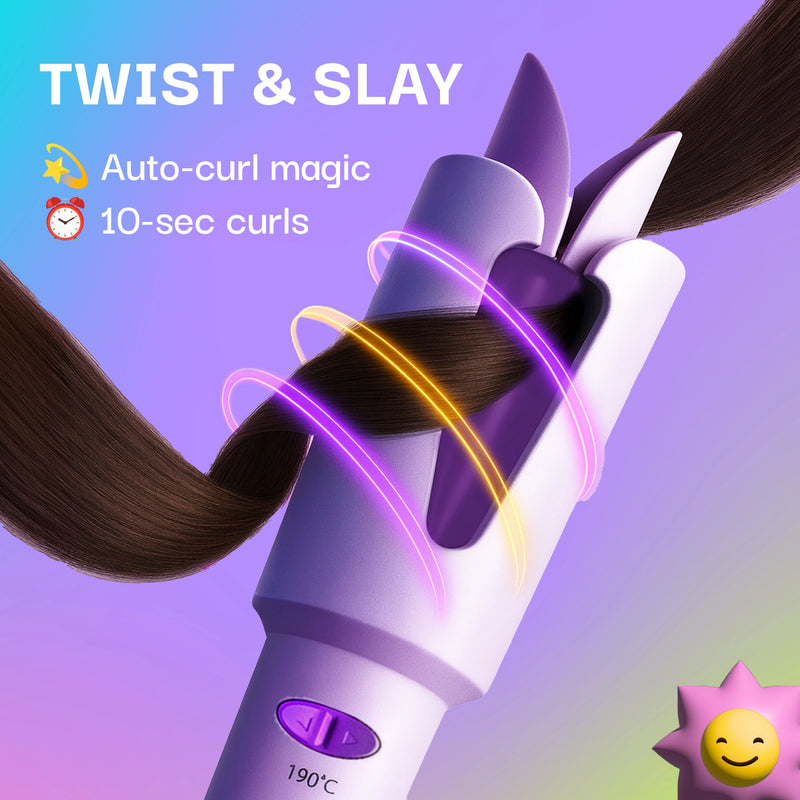
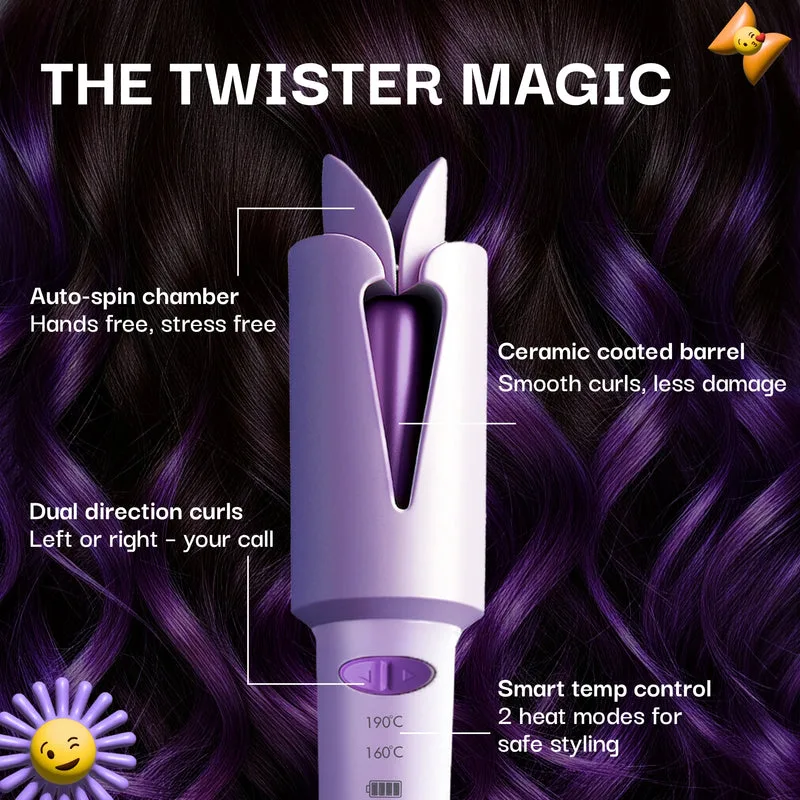
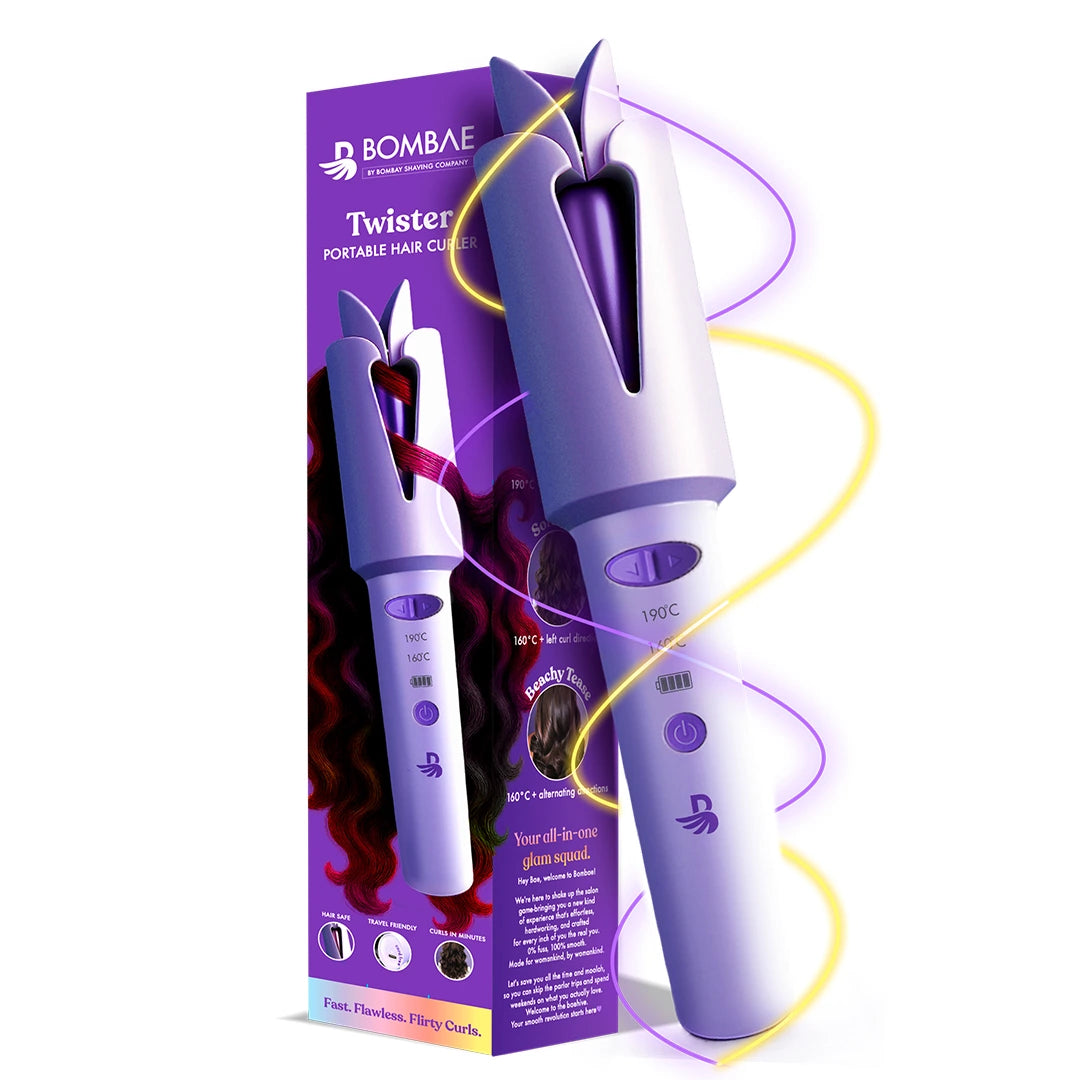
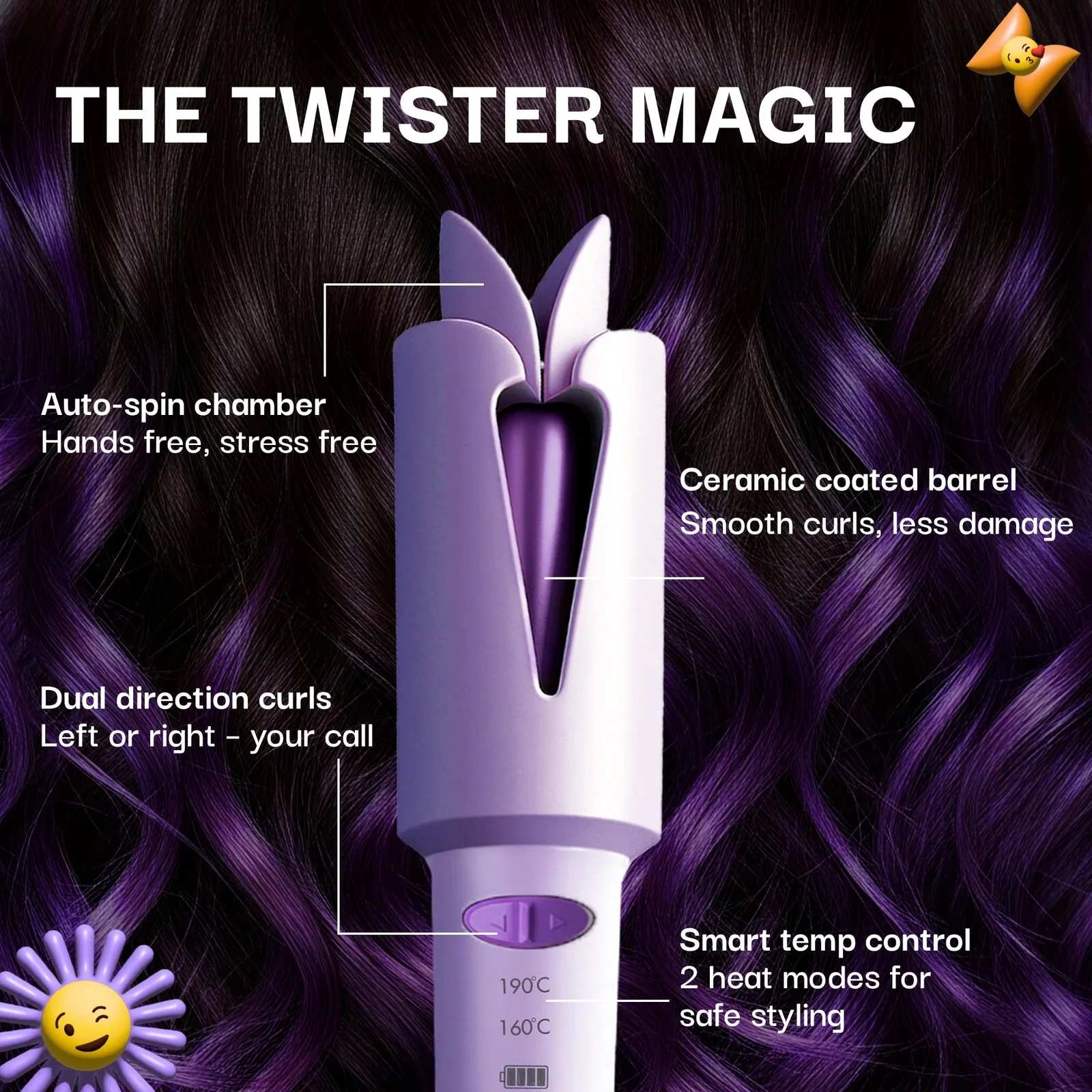
An automatic curler is a hinged chamber with a heated interior and a small motor. You place a section of hair in
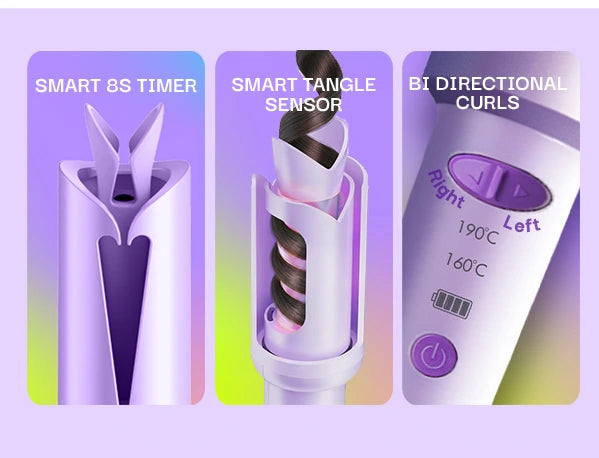
the opening, the chamber closes and rotates, drawing the hair around an internal post, and a timer sounds when the
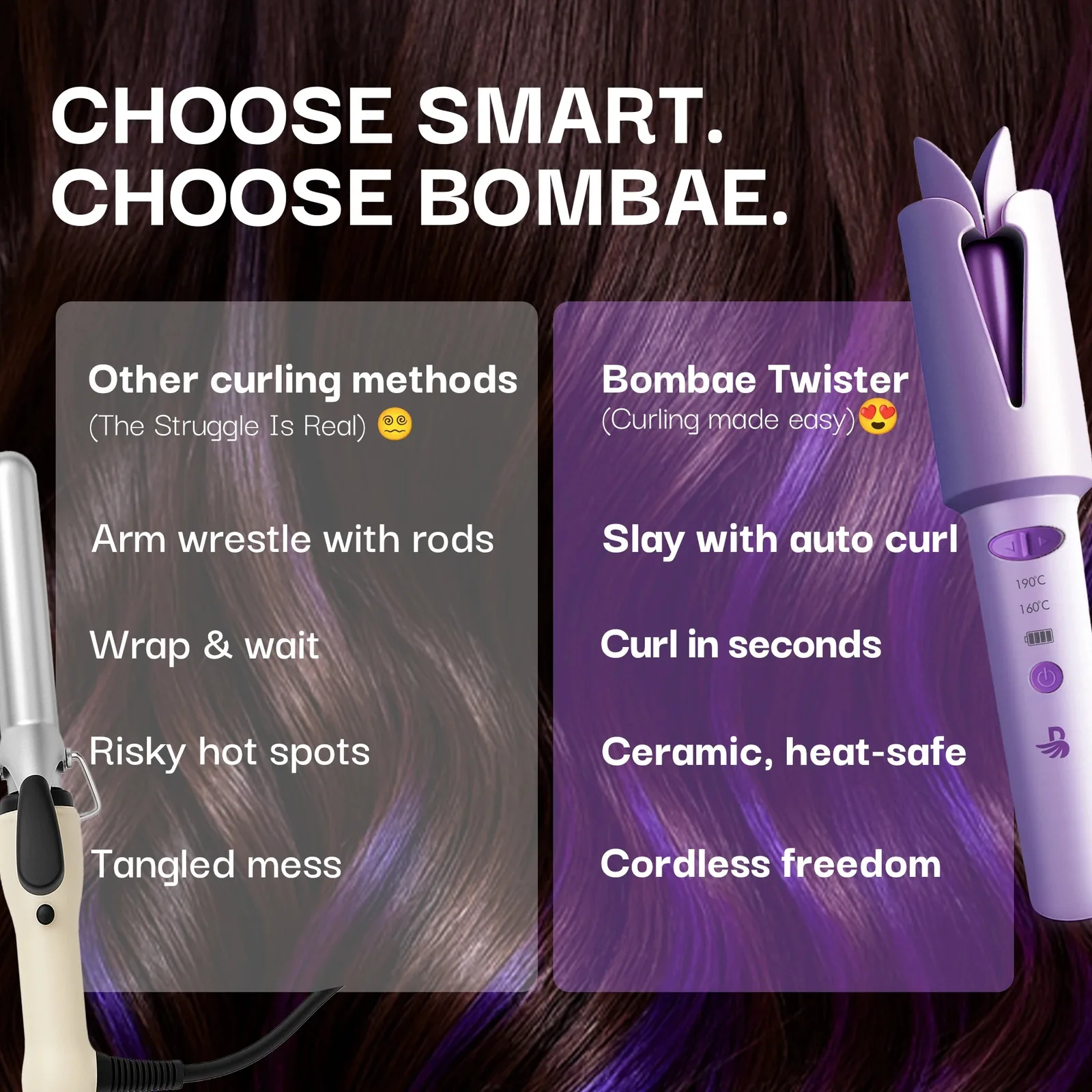
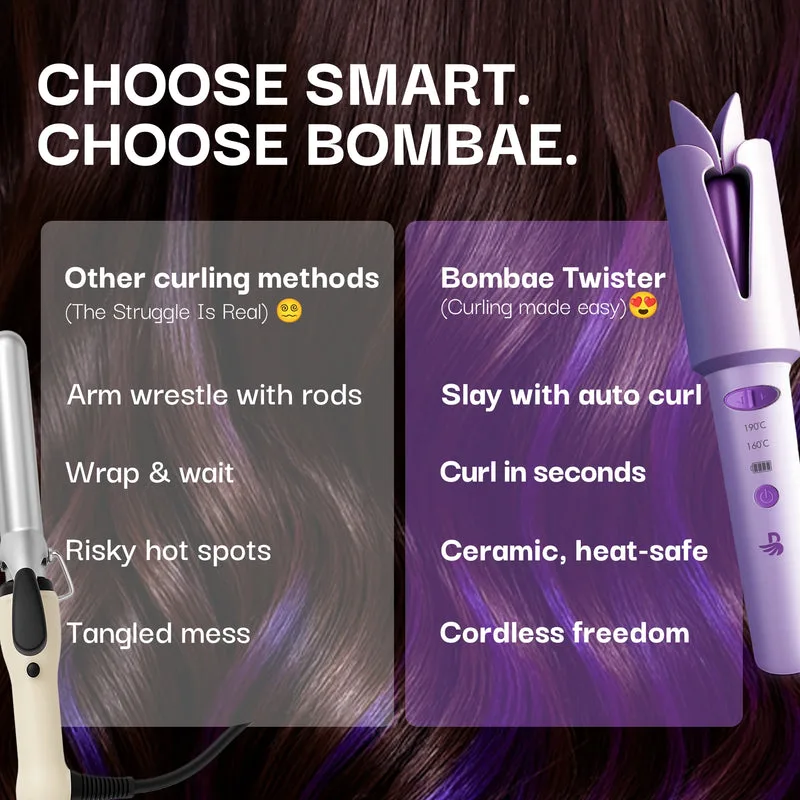
curl has had its time. The appeal is repeatability: every curl gets the same tension, the same contact time and the
same temperature, which is exactly what winding a tong by hand does not give you.
Which hair it suits
Medium-thickness hair around shoulder length is what the format is designed around, and it does that
extremely well. Fine hair curls readily and belongs at the lowest setting. Very long hair is awkward, because a
section longer than the chamber can wind either jams or curls only the last part of its length. Very thick or
coarse hair works, but the sections have to be small enough that the process stops being quick.
Using one safely
Dry hair only — damp hair steams inside a closed chamber. Comb each section first, because a knot that
enters the chamber becomes a knot wound around a hot post. Keep sections about two centimetres wide and thin enough
to see through, hold the device two or three centimetres clear of the scalp, and let each curl cool in your hand
for a few seconds before releasing it. Find the release or reverse control before the first use rather than during
it: pulling against a wound chamber is how hair gets torn out at the root.
Temperature, timer and care
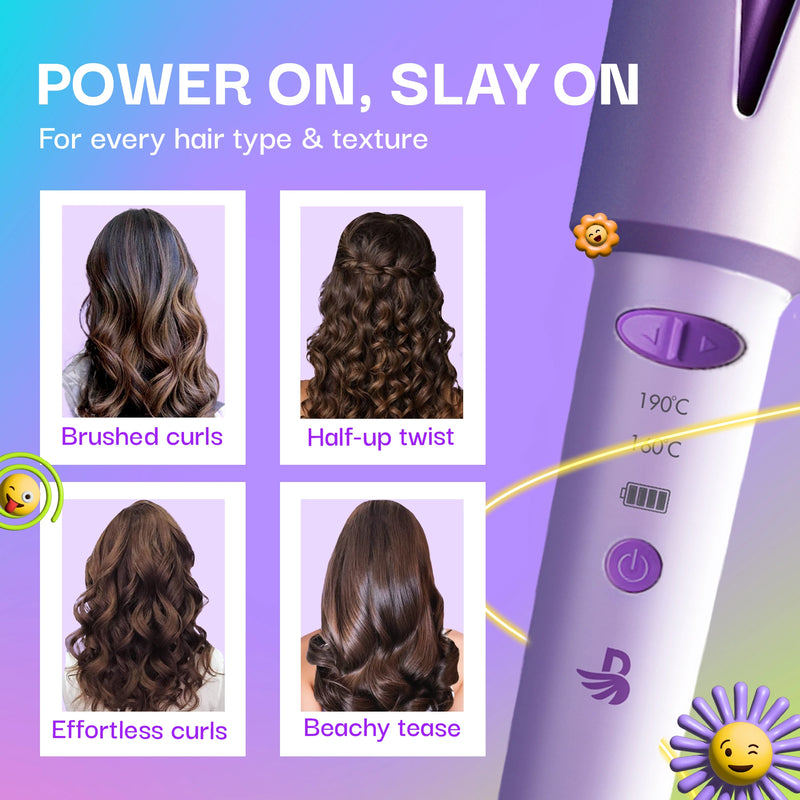
The combination that suits most hair is the middle temperature with the shortest timer. If a curl will not hold
there, the section is too thick — that is nearly always the cause, and raising the heat is the wrong fix.
Wipe the chamber out once it has cooled, because product residue makes the interior drag instead of releasing, and
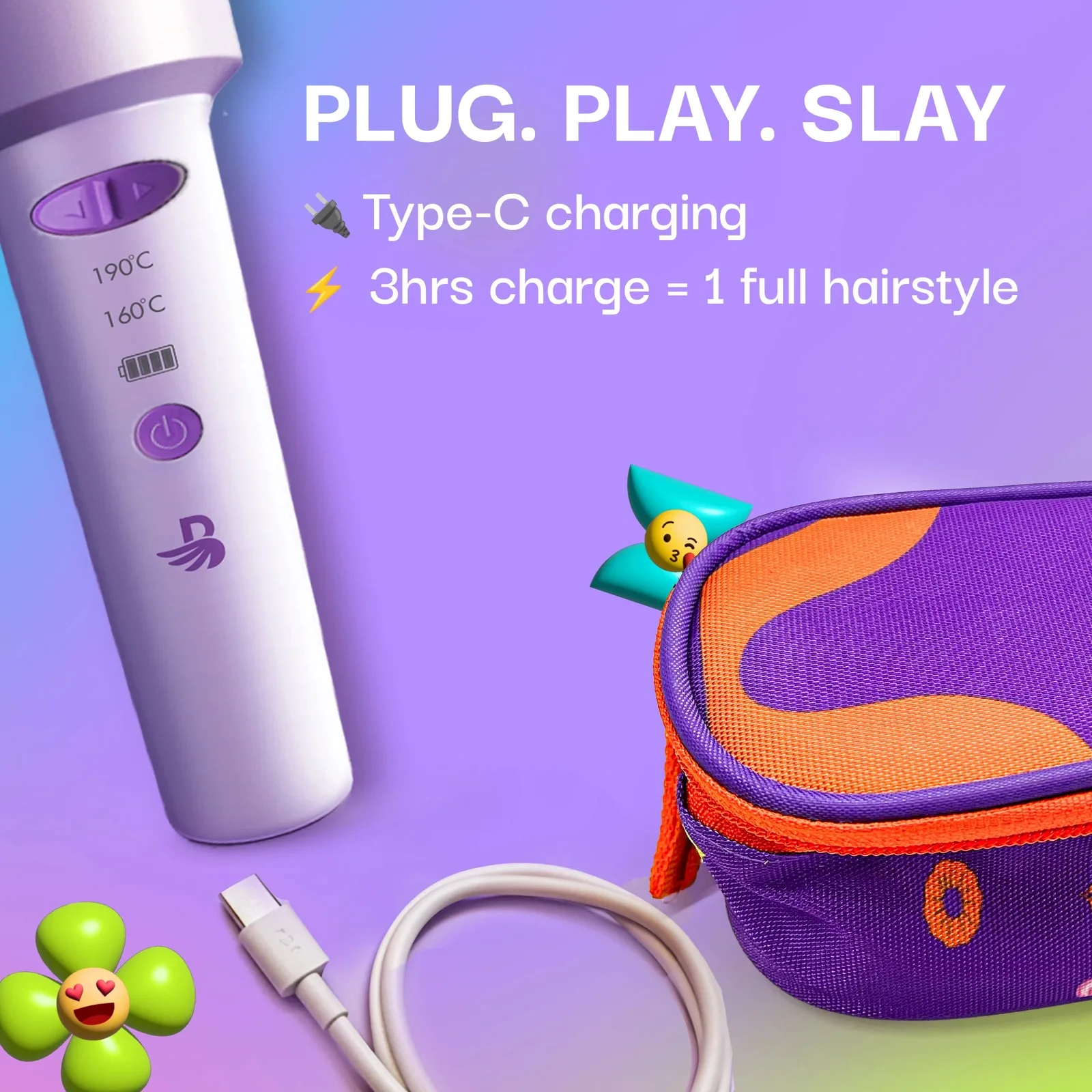
store the flex loosely: winding a cable tightly around a warm handle fatigues the copper where it leaves the body,
which is the most common way a heated styling tool dies.


 Palmonas
·
₹1,000
Gift Voucher
Few left