

How the range is organised
Everything here falls into one of four groups, and knowing which group you are shopping in makes the choice
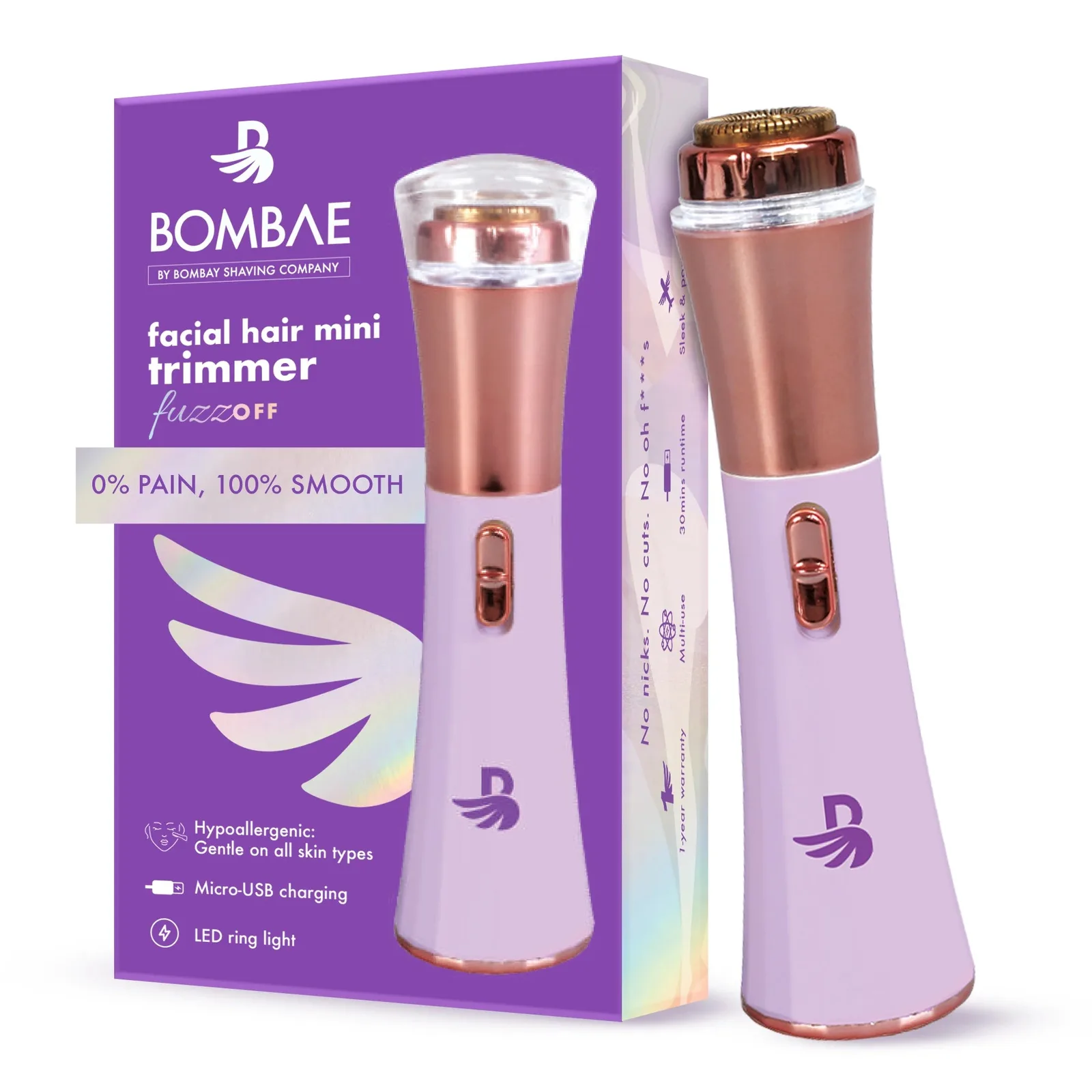
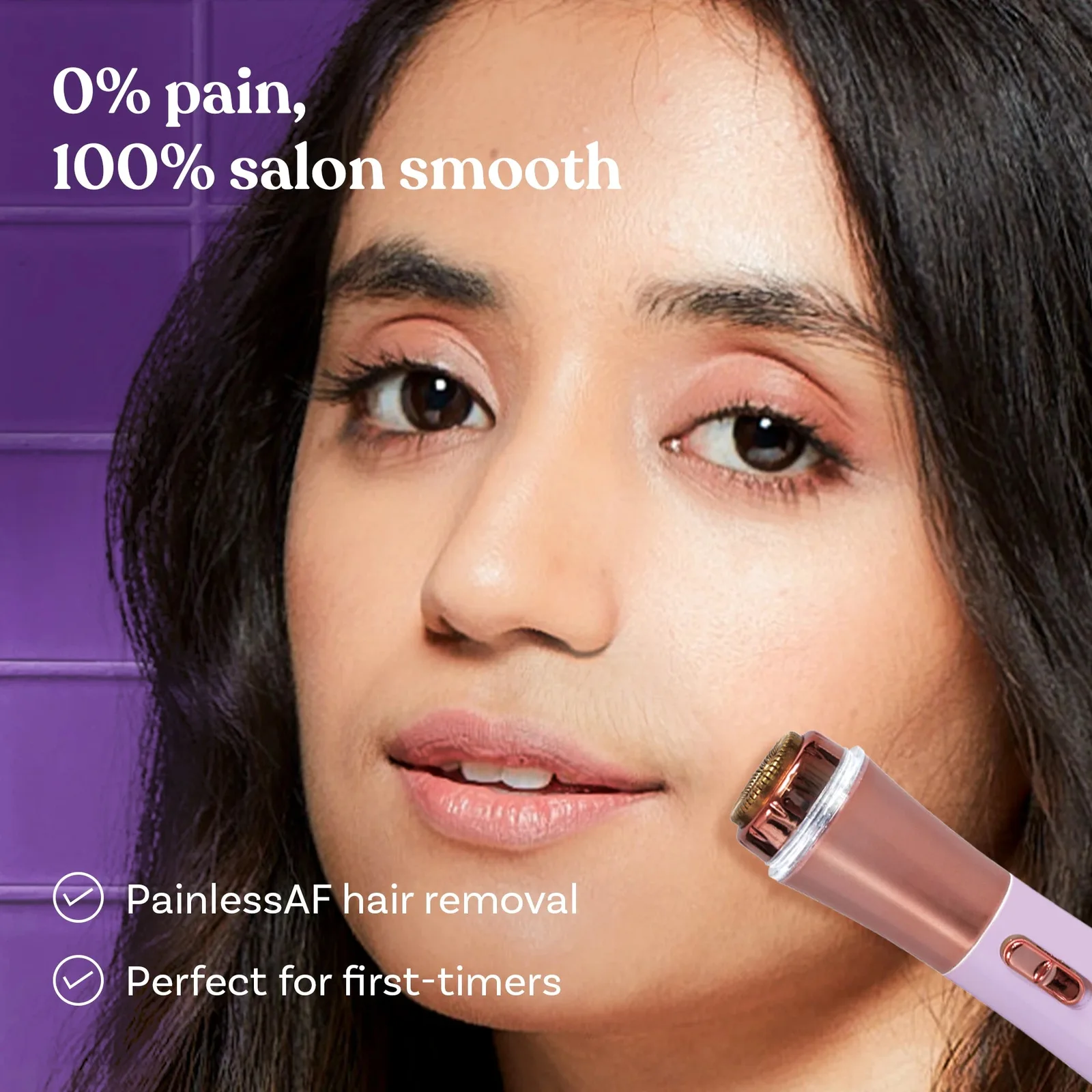
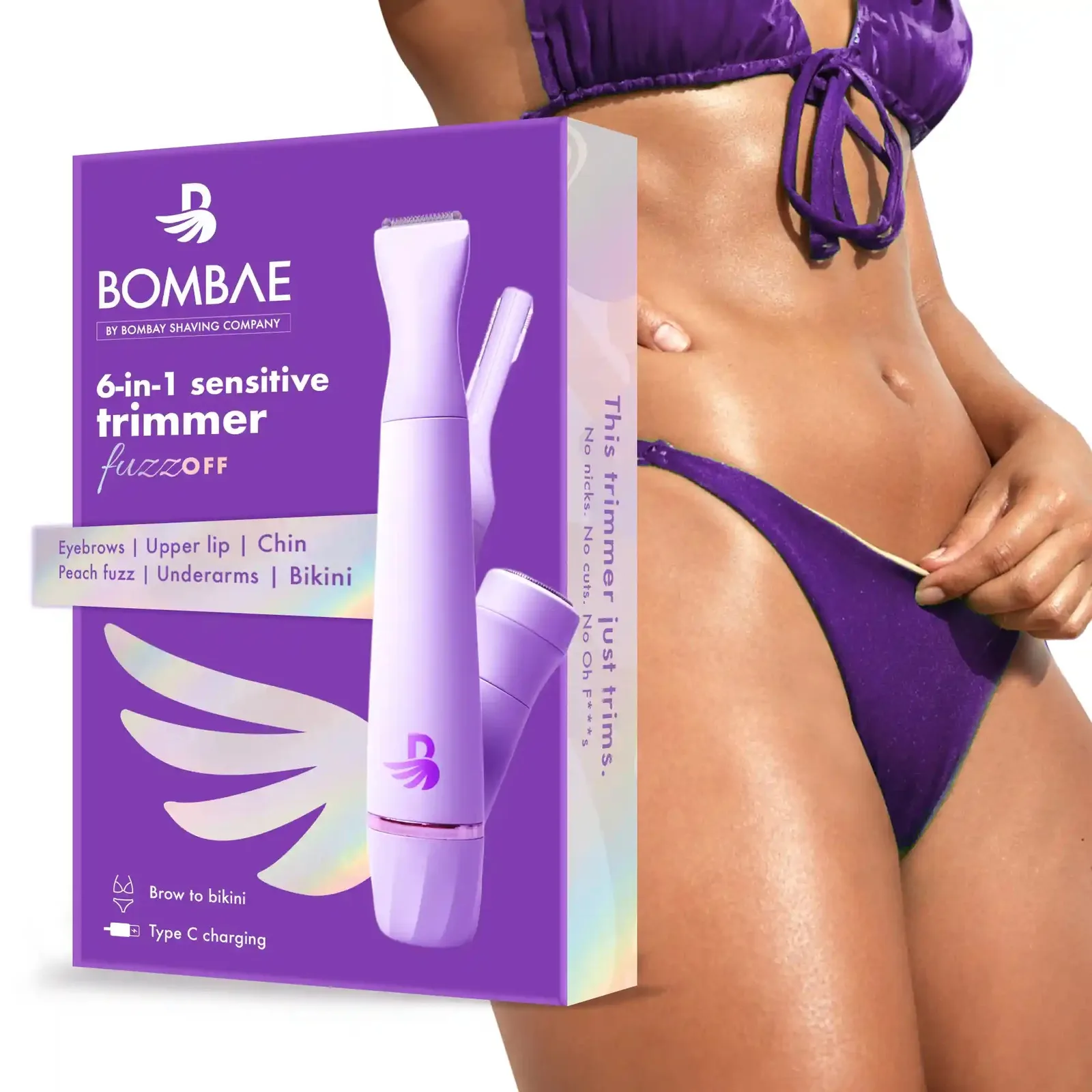
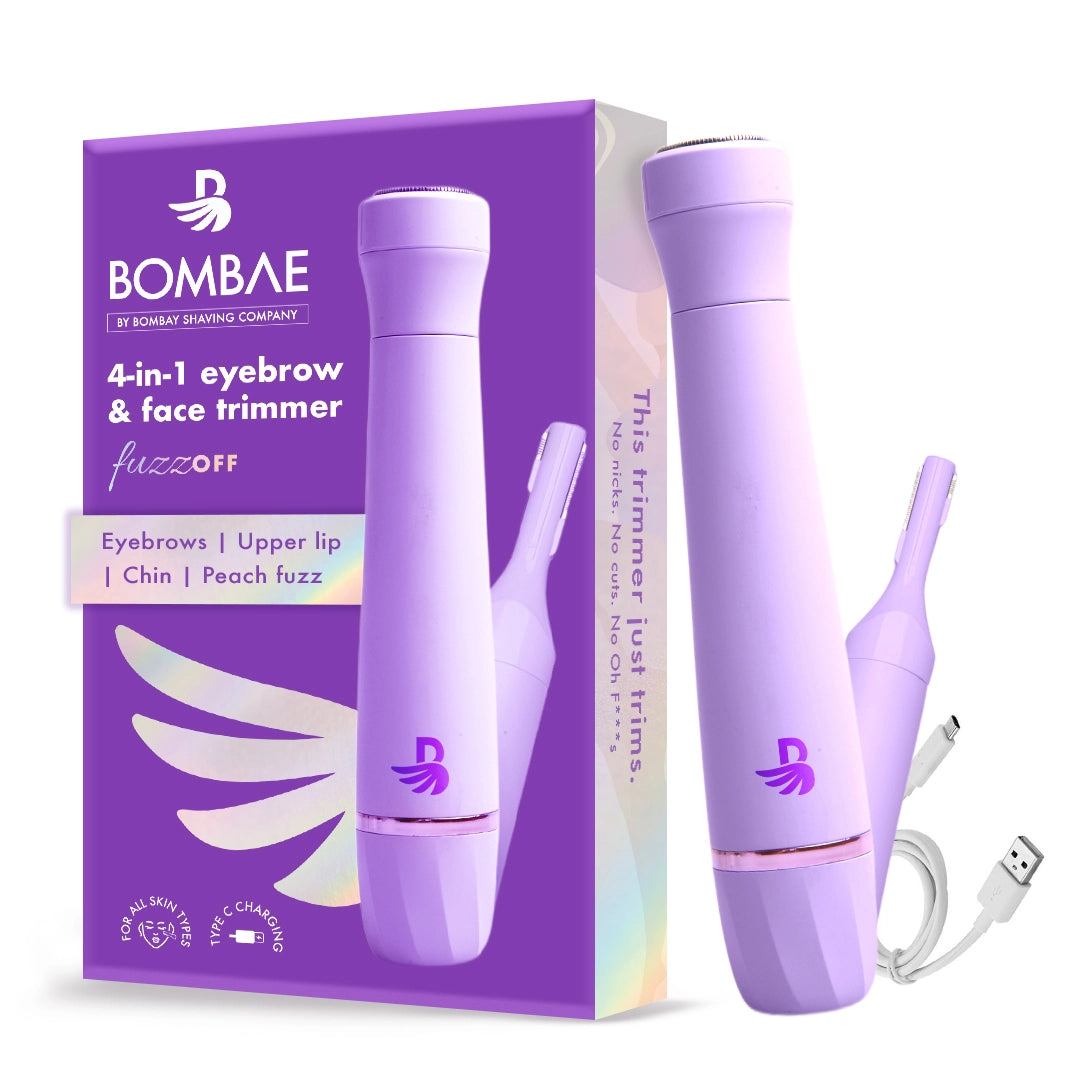
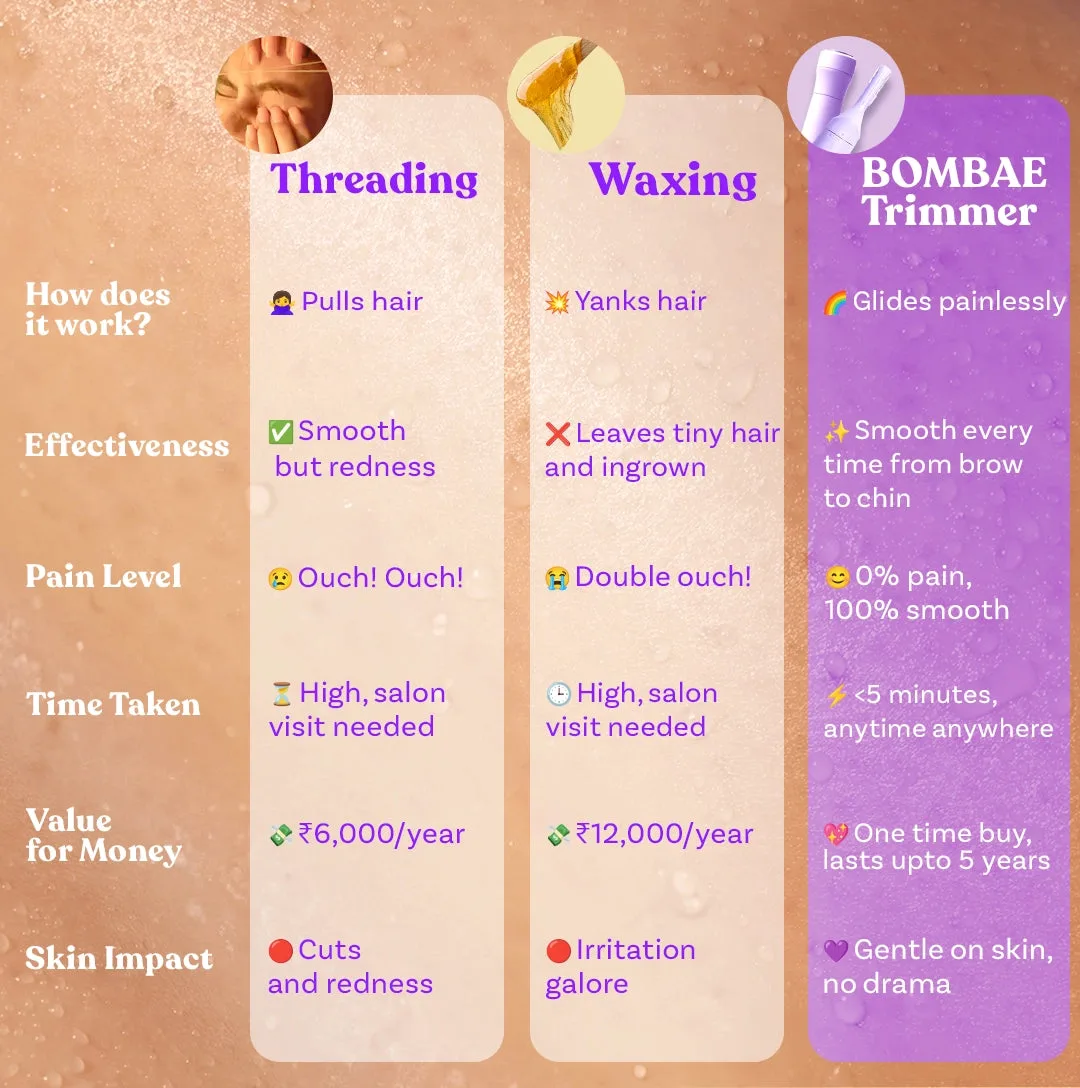
much shorter. Trimmers shear hair between two blades and never touch the skin, so they suit the bikini line, the
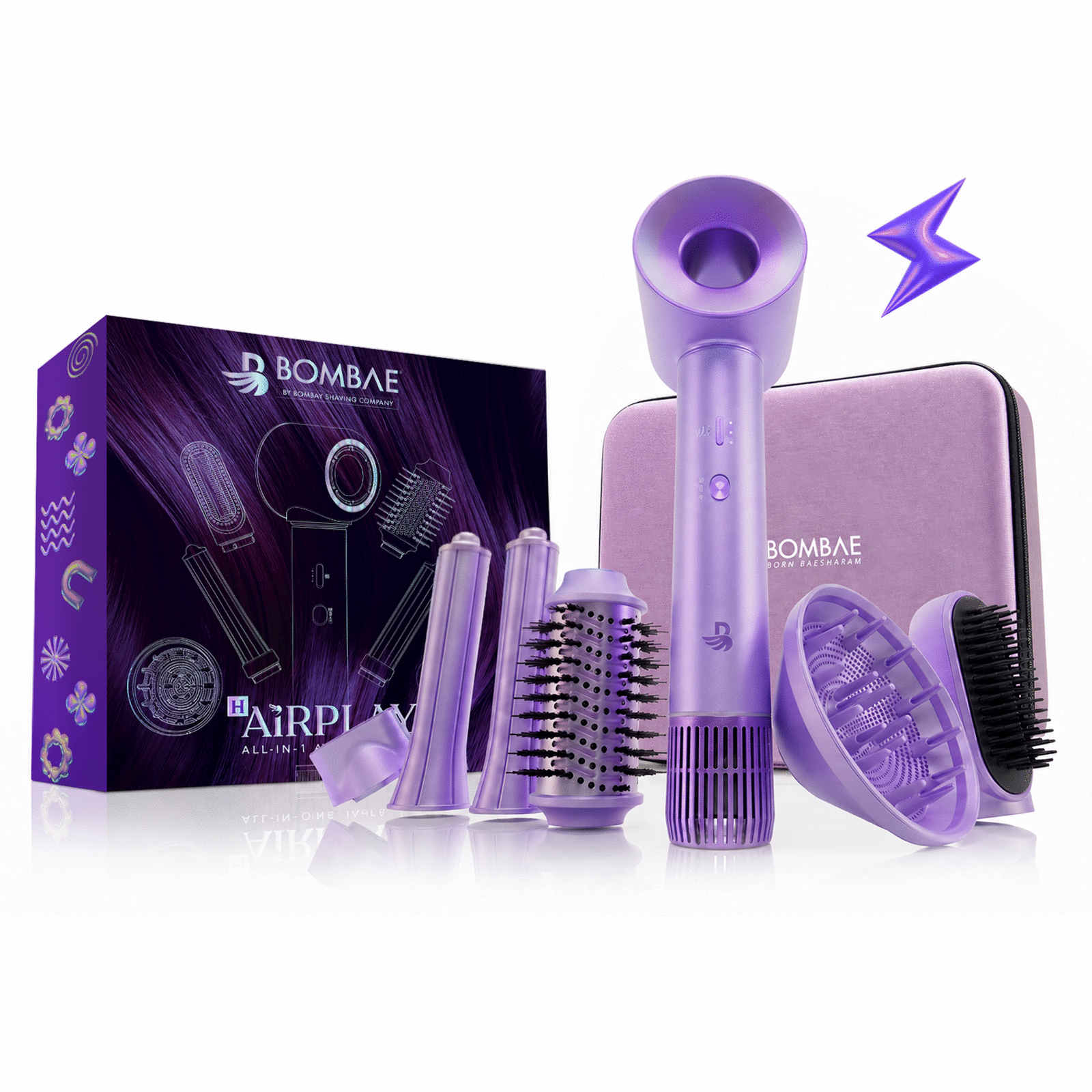
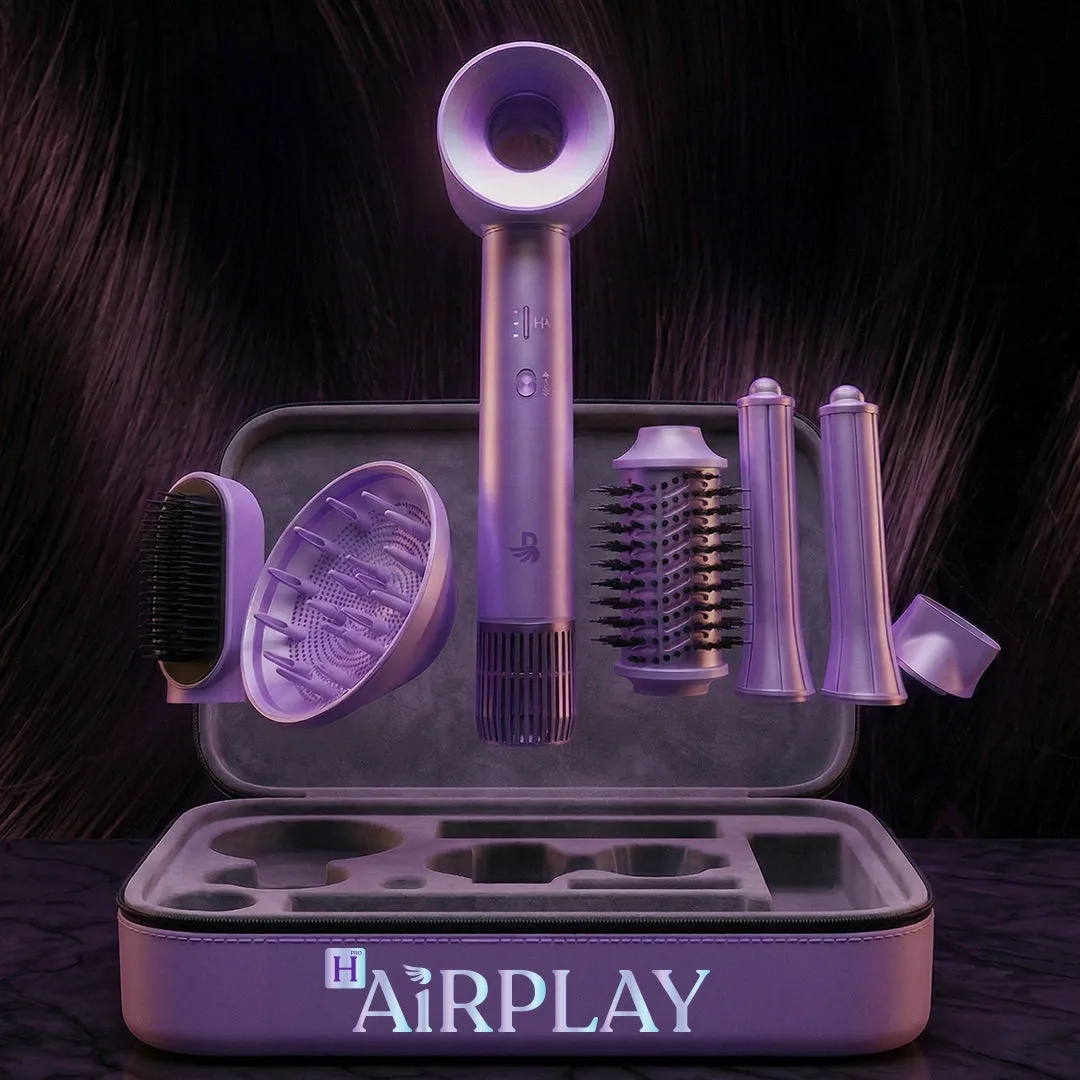
underarms and anywhere the skin moves. Razors cut flush for a smoother finish. Styling tools use heat and airflow
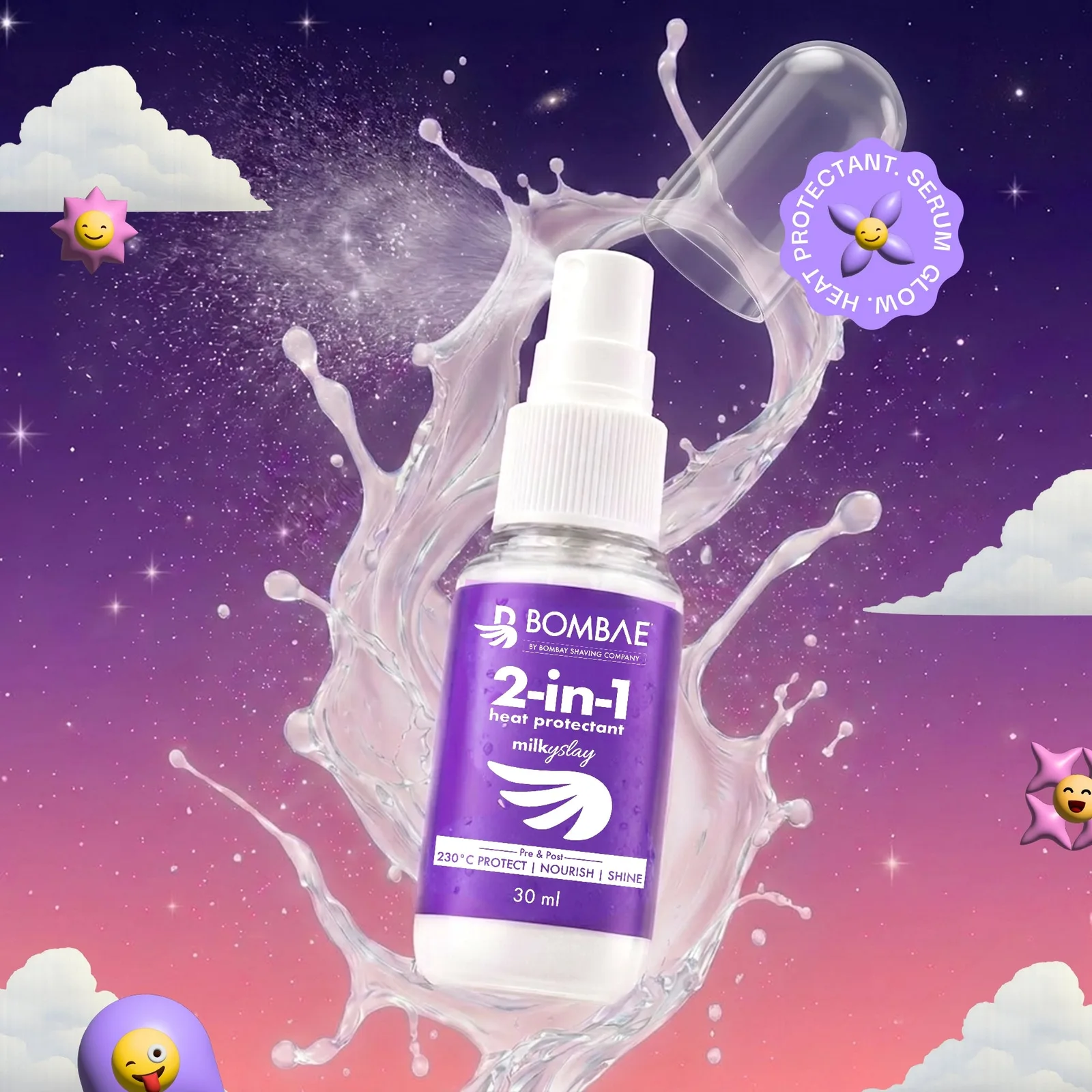
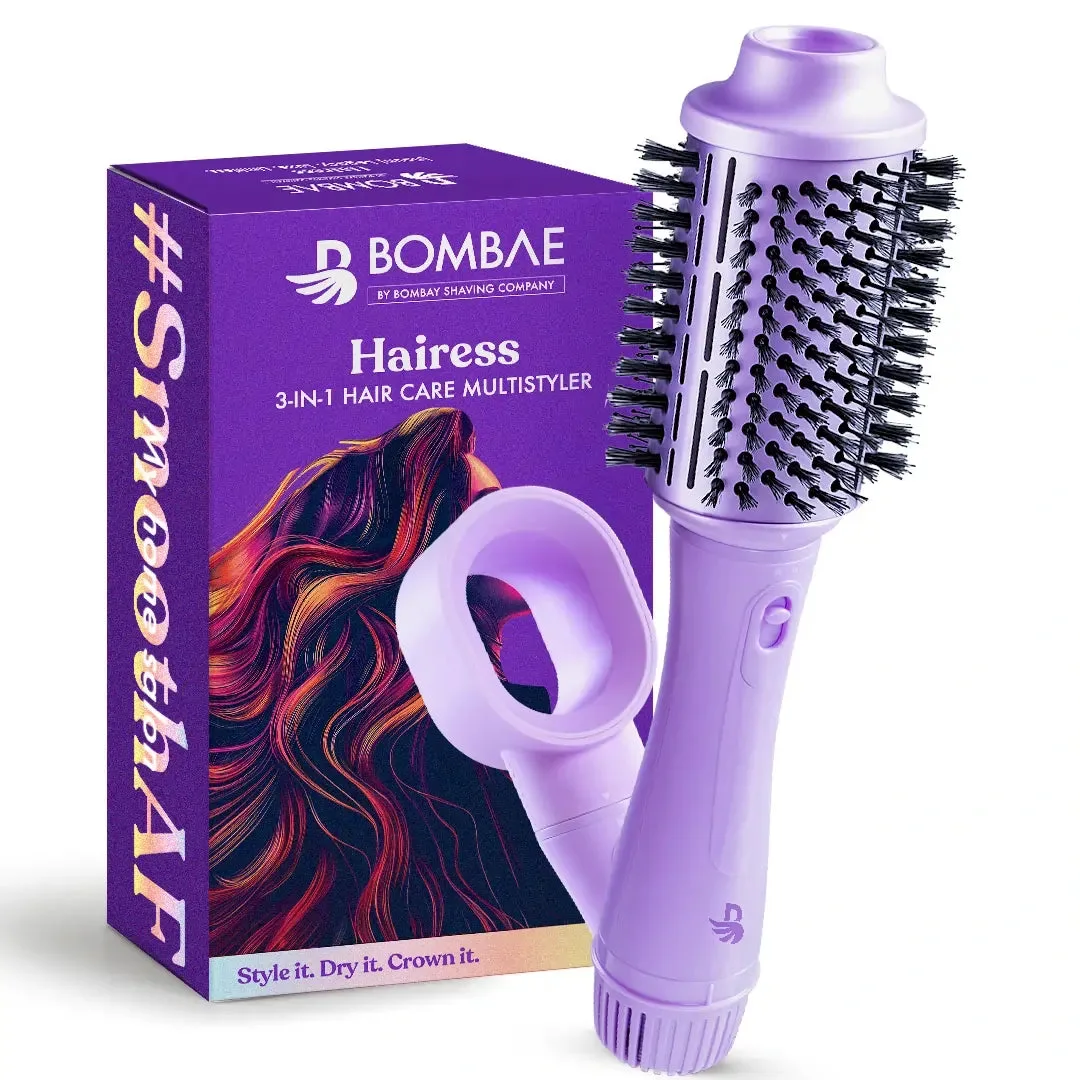
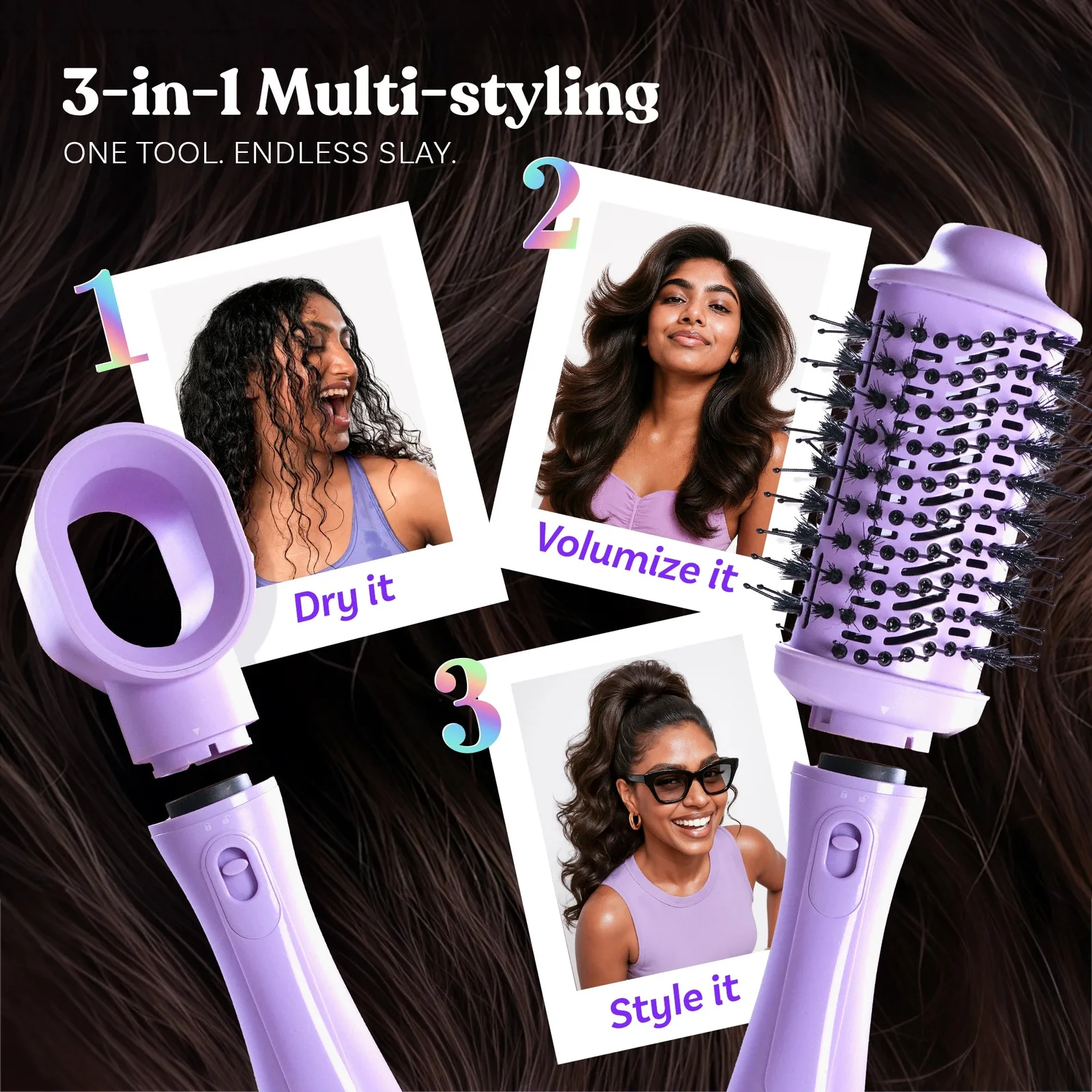
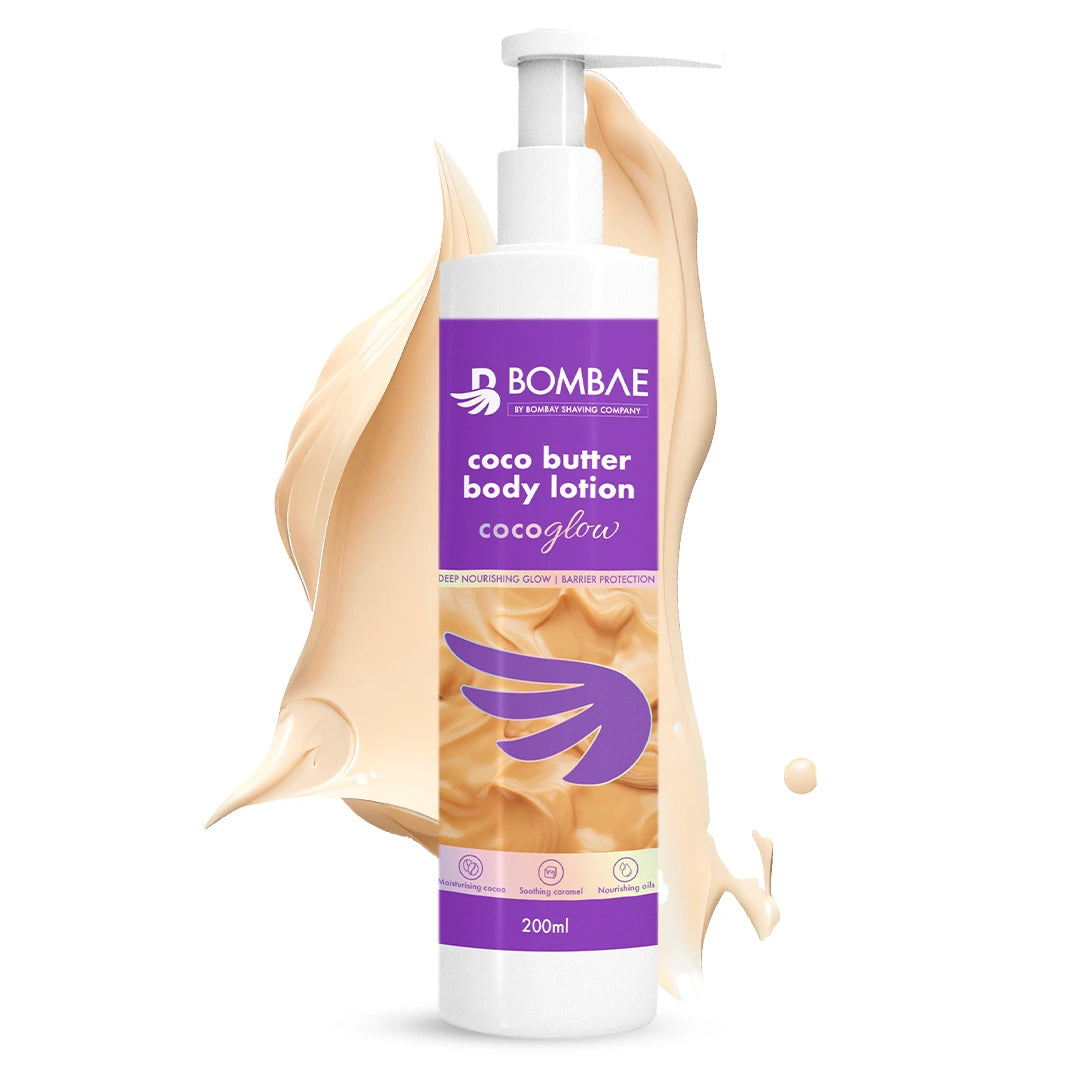
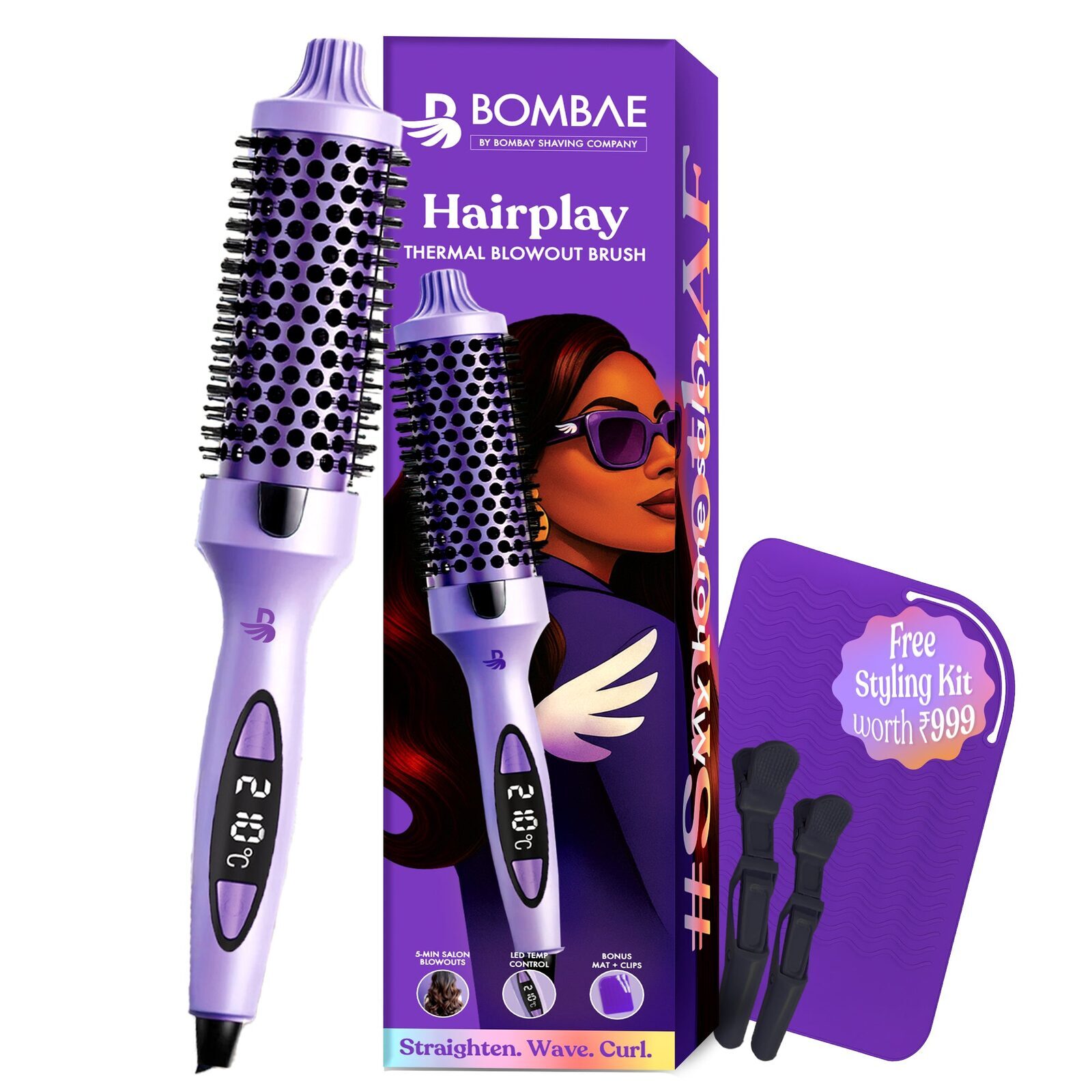
to reshape the hair shaft. Everything in the lifestyle group is what goes on the skin before and after.
Where to start
If you are buying one thing, a trimmer with a narrow head and a foil attachment covers the widest range of
situations: it shortens hair that is too long for a blade, and it gets close enough on flat areas that many people
stop there. If you already own a trimmer and want a smoother result, add a razor rather than a second trimmer. If
your interest is styling rather than removal, the deciding factor is barrel size — small barrels for short
hair and tight bends, larger barrels for length and body.
Specifications worth reading
Two numbers on a box correspond to something physical: head width, which decides how many passes an area takes
and how well the tool follows a curve, and blade type, which decides how close the finish is. Attachment counts,
speed settings and runtime figures are largely there to fill the table — any modern lithium device lasts
longer than a single session, and the extra combs are usually half-millimetre steps nobody can see.
What genuinely matters over three years is duller than any of that: whether replacement heads are still sold,
whether the device can be rinsed under a tap, and whether it can be used while charging. A blade that has been
used for a year without rinsing or oil cuts worse than a cheap one that has been looked after.